Concrete Repair & Replacement
Fix cracked, sunken, or damaged concrete before small problems turn into expensive replacements.
When Should You Repair or Replace Concrete?
Not every crack means you need to tear out your concrete and start over. Many problems can be fixed at a fraction of the cost of replacement. The key is catching issues early and knowing which repairs actually work.
Small cracks under a quarter inch wide are usually easy fixes. We clean them out, fill them with quality crack filler, and seal the area. These repairs stop water from getting in and causing bigger problems. If you have just a few small cracks, repair makes perfect sense.
Sunken or uneven concrete is another common issue in Socorro. Instead of replacing the whole slab, we can often use concrete leveling techniques to raise it back to the right height. This works great for driveways, sidewalks, and patios that have settled over time.
However, some damage is too far gone for repairs. If your concrete has major structural cracks, widespread deterioration, or has sunk more than a few inches, replacement is usually the better choice. Trying to patch severely damaged concrete just wastes money. We give you an honest assessment and explain your options so you can make the right decision.
Problems We Fix Every Day
Concrete problems come in many forms. Some are just cosmetic annoyances, while others affect safety and function. Here are the issues we see most often in Socorro and how we handle them.
Common concrete issues and solutions:
- •Hairline cracks: Normal settling causes these thin surface cracks. We seal them to prevent water intrusion and stop them from spreading.
- •Wide cracks: Cracks wider than a quarter inch suggest foundation issues or poor installation. We assess the cause, then repair or recommend replacement.
- •Spalling and flaking: Surface layers peel away due to freeze-thaw cycles, poor finishing, or salt damage. We grind down loose material and apply resurfacing products.
- •Sunken slabs: Soil erosion or poor compaction causes concrete to settle. We use mudjacking or polyurethane foam injection to lift it back up.
- •Discoloration and stains: Oil, rust, and other stains make concrete look bad. We use specialized cleaners and sometimes apply new coatings or sealers.
- •Damaged edges: Corners and edges chip easily from impacts. We rebuild damaged sections with fresh concrete and shape them to match the original.
Whatever the problem, we start with a thorough inspection. We look at the damage, check for underlying causes, and give you repair options that fit your budget. Fixing problems early almost always costs less than waiting until they get worse.
How We Repair Your Concrete
We use proven repair methods that actually last. Cheap quick fixes might look okay for a few months, but they fail when you need them to hold up. We do repairs right the first time using quality materials and proper techniques.
For crack repairs, we clean out all loose material and debris. Then we fill the crack with flexible polyurethane or epoxy products designed for concrete. These materials bond strongly and move slightly with the concrete as temperatures change. After filling, we seal the area to protect against water and stains.
Surface repairs involve grinding away damaged concrete, cleaning thoroughly, and applying repair mortar or resurfacing compound. We match the texture and color as closely as possible. For larger areas, we might apply a complete resurfacing layer that bonds to the existing concrete and creates a fresh new surface.
Leveling sunken concrete uses specialized equipment. Mudjacking pumps a cement slurry under the slab to raise it. Polyurethane foam injection works similarly but uses expanding foam that weighs less and sets faster. Both methods are much cheaper than tearing out and replacing concrete.
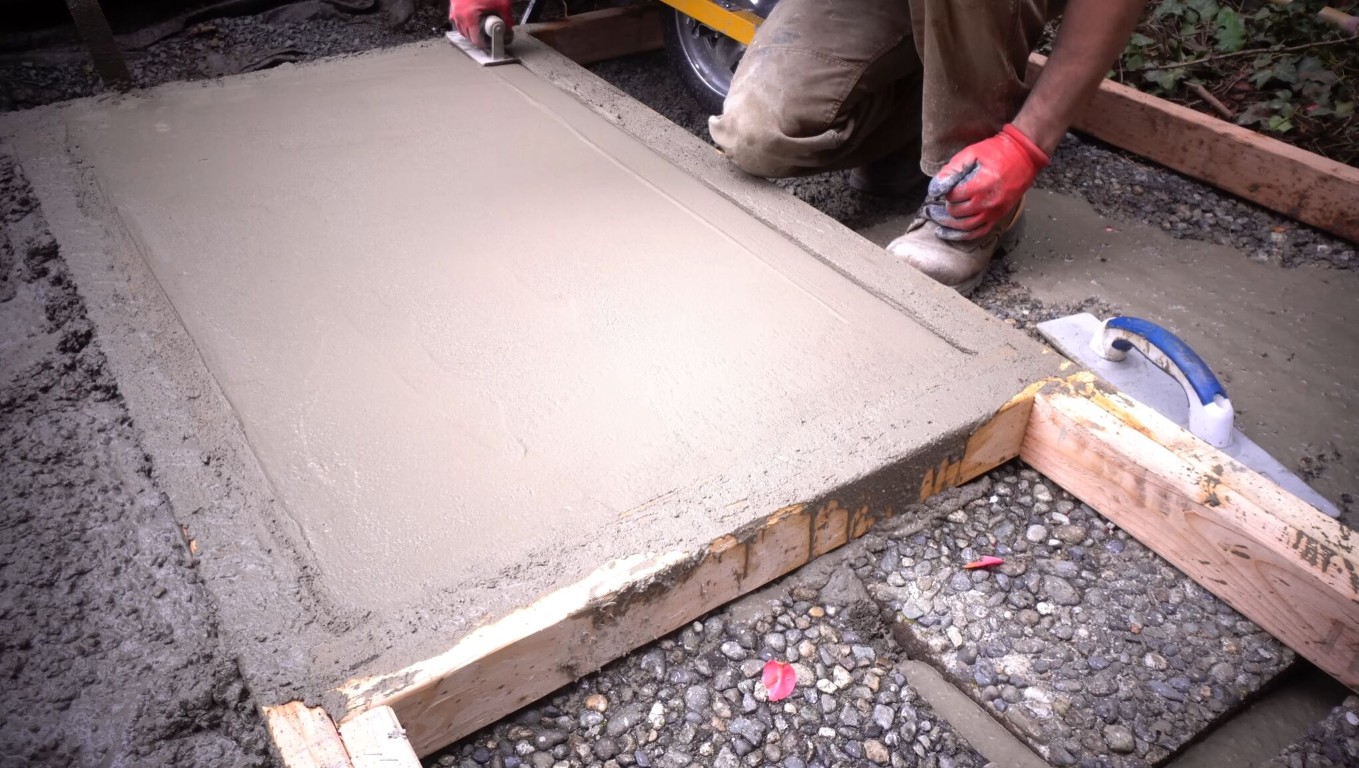
For partial replacements, we cut out the damaged section, remove it, and pour fresh concrete. We tie the new concrete to the old with rebar or dowels so it moves together. Matching the finish and color takes skill, but we get it as close as possible so the repair blends in.
Protecting Your Concrete Investment
Once we repair your concrete, you want it to stay in good shape. Prevention is cheaper and easier than repeated repairs. Here is how to keep your concrete looking good and lasting longer.
Sealing is your best defense against damage. A quality concrete sealer protects against water intrusion, stains, and surface wear. We recommend sealing driveways, patios, and walkways every two to three years. Sealed concrete is easier to clean and more resistant to cracking and spalling.
Water management matters too. Make sure your gutters and downspouts direct water away from concrete slabs. Check that the ground slopes away from foundations and patios. Standing water softens soil underneath and leads to settling and cracks.
Be careful with de-icing salts and harsh chemicals. They can damage concrete surfaces, especially newer concrete that has not fully cured. Use sand for traction in icy conditions instead of salt. Clean oil spills and other stains quickly before they soak in and become permanent.
Regular maintenance is simple. Sweep or blow off dirt and debris. Power wash when needed to remove built-up grime. Fill small cracks as soon as you notice them. These basic steps prevent small issues from becoming expensive problems down the road.
Common Questions About Concrete Repair
Fix Your Concrete Problems Today
Don't let small problems turn into big expenses. Visit our homepage to learn more about SCL Socorro Concrete, or contact us for a free repair assessment and quote.