
Sidewalks, Walkways & Flatwork
Create safe, accessible paths around your home or business with professional concrete sidewalks and walkways.
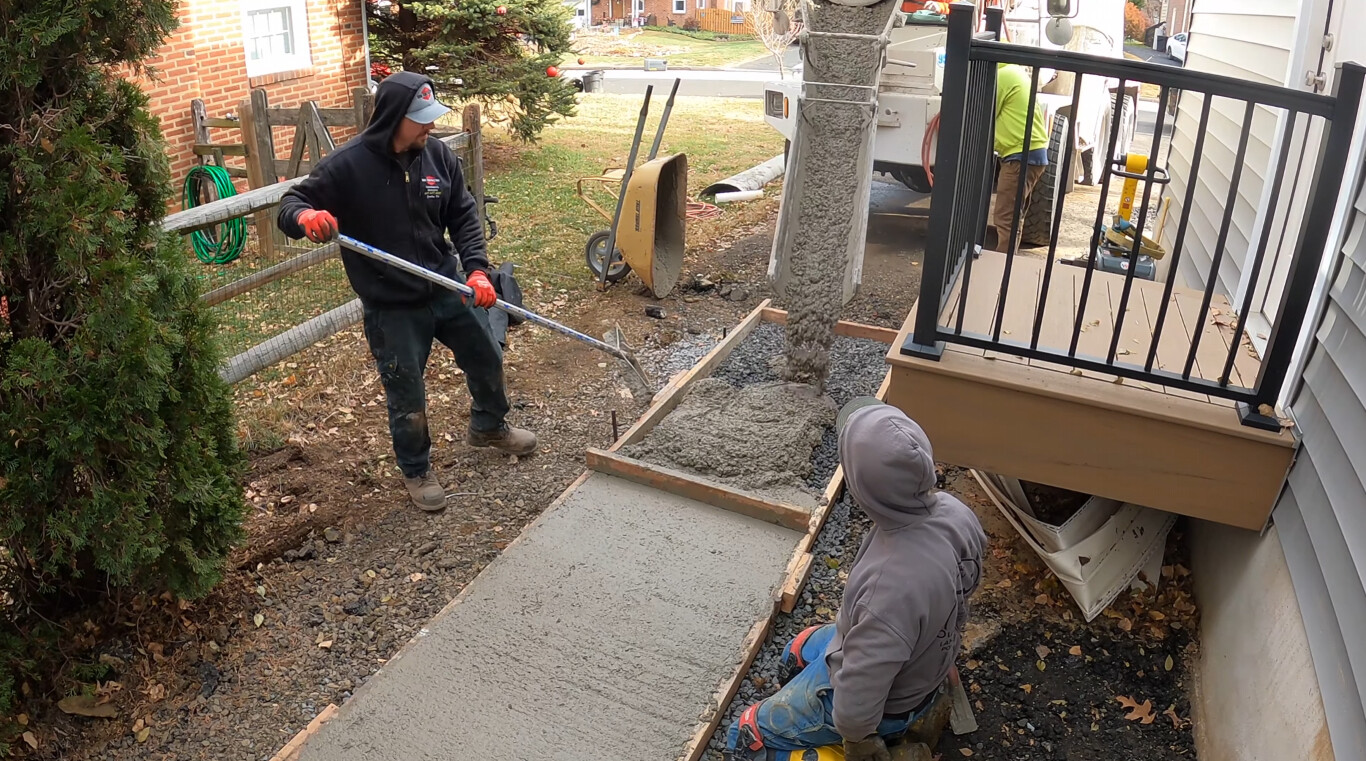
Why Your Property Needs Good Walkways
Sidewalks and walkways are more than just paths from one place to another. They guide foot traffic, prevent erosion, keep mud off your floors, and make your property accessible to everyone. A well-placed walkway adds function and value to any property.
Safety is the biggest reason to install proper walkways. Worn paths through grass or gravel become slippery when wet and uneven as they settle. Concrete walkways provide a stable, slip-resistant surface that holds up in all weather. This matters especially for older adults, children, and anyone with mobility challenges.
Curb appeal improves dramatically with defined walkways. A clear path from your driveway to your front door or from your patio to your garden creates structure and guides visitors naturally. It shows your property is well maintained and welcoming.
Maintenance drops too. Concrete sidewalks do not need mowing, weeding, or constant upkeep like grass paths or gravel. A quick sweep or occasional power wash keeps them looking clean. They last 25 to 30 years with minimal care, making them one of the best long-term investments in your property.
Different Types of Concrete Flatwork
Flatwork is the term for any horizontal concrete surface. Sidewalks, walkways, paths, entry areas, and similar projects all fall under this category. Each has specific requirements based on use and location.
Common flatwork projects we handle:
- •Front walkways: Path from driveway or street to front door. Usually 3 to 4 feet wide for comfortable two-way traffic.
- •Backyard paths: Connect patios, gardens, pools, or sheds. Can be narrower at 2 to 3 feet for single-file walking.
- •Side yards: Access between front and back or to utility areas. Practical paths that keep dirt and mud out of the house.
- •Public sidewalks: Street-facing walks that meet city codes. Specific width and slope requirements for accessibility.
- •ADA-compliant ramps: Sloped access for wheelchairs and walkers. Must meet strict grade and width requirements.
- •Commercial walkways: High-traffic paths for businesses and properties. Built thicker with reinforcement for heavy use.
We design each walkway based on its purpose and expected traffic. A decorative garden path has different needs than a main entrance walkway or commercial sidewalk. Tell us how you will use the space, and we build it right for that purpose.
Building Sidewalks That Last
Quality walkways start with proper planning. We consider drainage, slope, traffic patterns, and how the walkway connects to existing structures. Poor planning leads to puddles, trip hazards, and premature failure.
Site preparation is critical. We excavate to the right depth, remove roots and debris, and create a stable base. Most walkways need 4 inches of compacted gravel base below 4 inches of concrete. This prevents settling and cracking as the ground shifts over time.
Slope matters for drainage. Sidewalks should pitch slightly away from buildings so water runs off instead of pooling. We typically slope walkways about a quarter inch per foot. You will not notice it when walking, but water will drain properly after rain.
We install control joints every 4 to 6 feet along the walkway. These intentional weak points guide where minor cracks form as concrete expands and contracts with temperature changes. Controlled cracking is normal and expected. It beats random cracks that look bad and can become trip hazards.
Finishing options range from simple to decorative. A basic broom finish provides traction and works for most applications. If you want something fancier, we can add stamped patterns, colors, or exposed aggregate to match your landscaping or home style.
Keeping Your Walkways Safe and Attractive
Concrete sidewalks need very little maintenance. Regular cleaning and occasional crack sealing keep them looking good and prevent small problems from growing into big ones.
Sweep or blow off leaves and debris regularly. Organic material stains concrete if left sitting too long. Power washing once or twice a year removes built-up dirt and grime. Avoid using harsh chemicals or de-icing salts that can damage the surface.
Watch for small cracks and fill them promptly. Hairline cracks are normal and not a problem unless water gets in and freezes. A tube of crack filler from the hardware store costs a few dollars and takes minutes to apply. This simple maintenance prevents cracks from widening and becoming trip hazards.
Trip hazards from settling or heaving need professional attention. Uneven sidewalk sections can be lifted back to level using concrete leveling techniques. This costs much less than tearing out and replacing sections. If you notice any section has dropped or raised, address it quickly before someone gets hurt.
Tree roots sometimes push up sidewalks as they grow. This is a tough problem because you cannot stop roots from growing. Options include removing the tree, grinding down raised concrete, or replacing affected sections with root barriers. We can assess root damage and recommend the best fix for your situation.
Common Questions About Sidewalks and Walkways
Create Better Pathways Today
Ready to improve access and safety around your property? Visit our homepage to learn more about SCL Socorro Concrete, or contact us for a free walkway consultation and estimate.